Answering the demand for durable, thick-soled work shoes, this guide highlights five top picks that balance foot protection with comfort for long shifts. These shoes are best for professionals who stand or walk most of the day, work on slick or rough surfaces, or face potential hazards like nails, falling objects, or heavy equipment. The top choices emphasize steel toes, puncture resistance, slip resistance, and all-day support. A quick buying table follows to compare core specs at a glance.
| Product | Key Benefit | Best For |
|---|---|---|
| Hogent Steel Toe Shoes | Lightweight, breathable, puncture-resistant midsole | Construction, warehouse, short shifts |
| Skechers Nampa Lace Up | EH safety, slip-resistant outsole, all-day comfort | Facility floors, electrical environments |
| Skechers Dighton Athletic Slip Resistant | Relaxed fit, durable upper | Food service, maintenance |
| GUYISASH Steel Toe Shoes | Kevlar midsole, steel toe, impact protection | Industrial, heavy debris jobs |
| LUPWEE Comfy Steel Toe | European steel cap, puncture-resistant midsole | General construction, outdoor work |
Hogent Steel Toe Shoes for Men Women
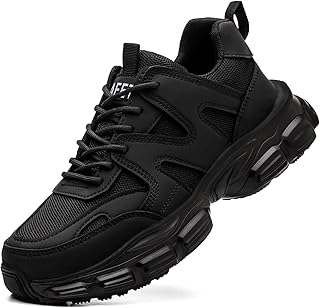
Best for: Workers who need light, protective footwear without sacrificing toe movement. The Hogent design integrates a steel toe that protects against heavy objects while maintaining agile movement thanks to a comfortable, low-profile fit.
Why selected: This model combines a non-restrictive steel cap with a breathable knitted mesh upper. A puncture-proof Kevlar midsole adds underfoot protection, making it suitable for construction, warehouse, and gardening tasks where nails and sharp debris may pose risks.
What to know: The shoes are lightweight, weighing under a pound per shoe, which helps reduce fatigue over long shifts. Note that breathable mesh may allow more heat in high humidity environments; consider sweat-wicking socks for extended wear.
Skechers Nampa Lace Up

Best for: Individuals needing a safety-certified shoe with reliable traction and a roomy fit for long shifts on varied surfaces.
Why selected: This model emphasizes Electrical Hazard (EH) protection and a slip-resistant outsole, making it a strong pick for workplaces with wet or oily floors. A Memory Foam cushioned insole adds comfort for all-day wear, while the leather-textured upper supports durability.
Caution: The emphasis on comfort may slightly affect foot snugness for users who prefer a very tight, lockdown fit. Ensure proper lacing to maintain stability during stair climbs or ladder work.
Skechers Work Dighton Athletic Slip Resistant

Best for: Food service, maintenance, or environments where slip resistance and quick, safe footing are priorities.
Why selected: The Dighton SR combines a durable smooth leather and synthetic upper with an slip-resistant outsole designed for steady traction on slick surfaces. A relaxed fit helps reduce fatigue during long shifts, making it a practical all-around option.
Limitation: The relaxed fit might feel looser for those with narrower feet; consider half-size increments or insoles for a customized fit.
GUYISASH Steel Toe Shoes For Men
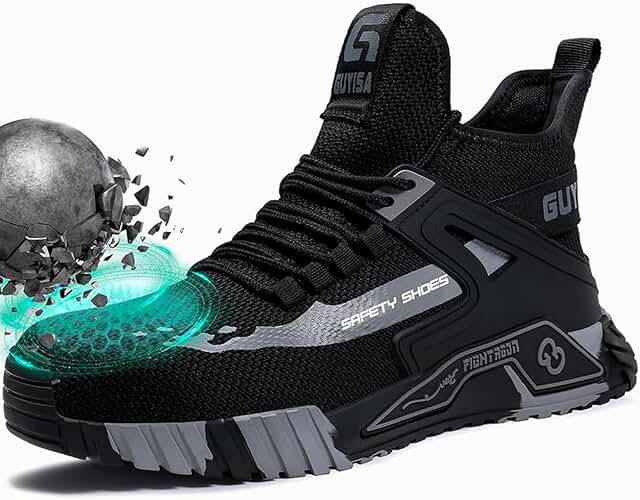
Best for: Jobs demanding rigorous toe protection and puncture resistance, such as industrial settings and warehouses.
Why selected: These shoes feature an ASTM F2413-24 compliant steel toe cap and a Kevlar puncture-resistant midsole, providing robust protection alongside a comfortable outsoling. The design supports daily movement without sacrificing safety for long hours on the job.
Caution: Some buyers may find the toe box slightly narrower depending on foot shape; consider wide sizing if available or try a half-size up for extra toe room.
LUPWEE Steel Toe Comfy Work Shoes

Best for: Mixed-duty use where a European-standard steel toe and puncture-proof midsole deliver reliable protection with everyday comfort.
Why selected: The European standard steel cap offers strong protection, and the puncture-proof Kevlar midsole enhances underfoot safety. The slip-resistant outsole improves stability on wet or oily surfaces, making this a versatile option for various job sites.
Limitation: Data suggests strong protection features, but regional sizing differences can affect fit; verify size charts before purchasing and adjust for wider feet if needed.
Buying Guide
What to consider when choosing thick-soled work shoes:
- Protection level: Look for steel toe safety caps and puncture-resistant midsoles if hazards include heavy objects and sharp debris. Check for compliance like ASTM F2413-24 or equivalent in your region.
- Traction and surface compatibility: Slip-resistant outsoles are essential for wet, oily, or slick floors. Consider rubber compounds designed for the job type and surfaces you encounter most.
- Fit and comfort: A comfortable insole, adequate arch support, and a secure heel are crucial for long shifts. If you have wide feet or high arches, prioritize models offering wider widths or adjustable lacing.
- Breathability and temperature: Breathable uppers help with foot freshness in hot environments. If you work in hot climates, look for mesh panels or moisture-wicking linings.
- Durability and construction: A reinforced upper and sturdy midsole support contribute to long-lasting wear. Non-slip safety features should not compromise flexibility for movement.
- Weight and fatigue: Lighter shoes reduce foot and leg fatigue over time. Weighs under 1 pound per shoe is a common indicator of lighter models in this category.
FAQ
- What makes thick-soled work shoes safer than regular sneakers? They typically include protective features such as steel toes or puncture-resistant midsoles and non-slip outsoles designed for hazardous work environments.
- Are these shoes suitable for all-day standing jobs? Yes, many models prioritize cushioned insoles and roomy fits to reduce fatigue during long shifts.
- Do thick soles affect balance on stairs or ladders? Some models have bulkier profiles; ensure proper fit and secure lacing. If balance is a concern, test with a safer, low-risk environment.
- How important is a puncture-proof midsole? Very important in jobs with nails, glass, or sharp debris; Kevlar or similar materials provide underfoot protection without sacrificing flexibility.
- Should I prefer European-standard or US-standard protection? Both provide strong safety assurances; choose based on local industry standards and comfort preferences.
- What is the best way to choose the right size? Check the sizing chart for each model, consider width options, and account for the type of socks you wear during shifts.