As an Amazon Associate I earn from qualifying purchases.
A polo for a larger build should fit the places where you need room without adding length or volume you do not want. Big and tall describe different sizing needs. A wider chest, a fuller midsection, and a longer torso do not always belong to the same body, so a single oversized shirt is rarely a useful starting point for everyone.
This guide focuses on selecting proportions, interpreting size categories, and building outfits you can wear repeatedly. Product notes distinguish dedicated big-and-tall designs from ordinary polo cuts that require a closer dimension check. We have not worn or washed these shirts. Comfort, moisture handling, and durability are not measured rankings here, and no polo is described as flattering every man automatically.
Find the dimension that is actually missing
Think about the polo you currently avoid wearing. Does it fit across the shoulders but pull at the stomach? Does it have enough width but stop too high when you sit? Is the body satisfactory but the sleeve opening restrictive? These are different problems. Identify the specific location before choosing another size or another category.
Big sizing is worth examining when you need a different width distribution. Tall sizing is worth examining when additional length and the corresponding proportions are the priority. A tall label is not proof of a roomier torso, and a bigger letter size is not a guaranteed solution for a long body. Read the chart for the actual style and size category.
You do not need to hide your shape to make a deliberate outfit. Decide how closely you want the shirt to follow your torso, how much movement room you prefer, and whether you will tuck it. Those choices provide a better fit target than a promise that a particular color or cut makes every wearer look smaller.
Compare these polo directions
IZOD Advantage Performance: examine the dedicated big-and-tall category

The checked IZOD Advantage Performance selection is Peacoat, 3X-Large Tall, listed as 60% cotton and 40% polyester with machine-wash care. It belongs to the dedicated big-and-tall direction. It is a useful starting point when you need that size category rather than simply a larger regular polo. Compare the actual selected dimensions with the body areas that need room; the category name does not establish your individual fit.
Why consider it: you want a conventional polo appearance and a sizing direction intended for larger proportions. Check the shoulder, chest, body length, and sleeve opening together. Use the chart for the exact garment rather than copying a regular-fit IZOD chart.
Limits: we do not claim its performance language guarantees a cool or dry day, unrestricted movement, or a particular service life. Confirm the selected fabric, care label, and size designation before ordering. The collar and hem still need to work with your intended trousers and whether you plan to tuck the shirt.
View the selected item on Amazon
Nautica classic-fit polo: a Big selection for width needs
The checked Nautica selection is True Black, 3X Big, listed as 100% cotton with machine-wash care. This is a Big selection, not a Tall one. Compare its torso dimensions and hem; additional length should not be assumed simply because the category accommodates a larger size.
Nautica’s men’s size information separates ordinary and big-and-tall categories. Use the chart that corresponds to the exact garment. A label from one category cannot be translated directly into another maker’s letter size.
Consider it for: a restrained collared outfit where you prefer a familiar polo shape. Check first: length when sitting, sleeve proportions, fabric label, and care. Do not assume a classic fit or brand reputation establishes guaranteed softness, roominess, or semi-formal suitability for every occasion.
View the selected item on Amazon
ZITY tactical-style polo: decide whether the visible details help
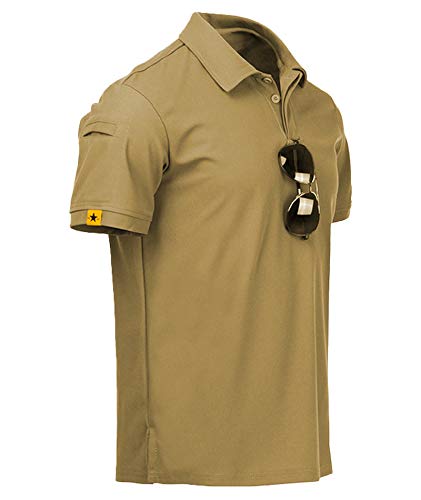
The checked ZITY selection is Khaki, XX-Large, listed as 95% polyester and 5% spandex with machine-wash care and a no-bleach instruction. It is not marked Big or Tall. It has a tactical or athletic styling direction, with visible functional details that can change the appearance of a simple outfit. Examine those details because you actually want them, not because a tactical word establishes protection or a performance standard.
Useful fit questions: does the selected cut provide the chest, midsection, and length you need? Do the sleeve details sit where you want them? A regular athletic cut should not be assumed to have the dimensions of a dedicated big-and-tall garment.
Trade-off: extra loops or pockets may suit a practical casual outfit but be unnecessary for a quieter office look. Do not treat any small attachment as secure storage for valuable items without checking its purpose. Confirm material, size category, and care; no four-way stretch, temperature regulation, or all-day comfort result is independently measured here.
View the selected item on Amazon
Amazon Essentials cotton-pique polo: a regular-fit comparison
The checked Amazon Essentials selection is Medium Grey Heather, XX-Large, listed as 100% cotton with warm machine washing and low tumble drying. It is explicitly a regular-fit cotton-pique polo, without a Tall designation. It can belong in the comparison only when its actual dimensions meet your needs. Regular fit is not another name for big-and-tall sizing, and a size available in the family does not prove the linked selection will fit your torso.
Reason to examine it: you prefer a plain, conventional polo without additional utility details. Compare the selected chart with a shirt you like and check the hem for tucked or untucked wear. A textured pique surface is an appearance choice, not proof of measured cooling or resistance to wear.
Before choosing: verify fiber content for the selected color, size category, and care label. If the chart lacks the width or length you need, choose from the appropriate original options rather than assuming stretch or cotton construction will correct the mismatch.
View the selected item on Amazon
MAGCOMSEN polo: evaluate the utility look against your wardrobe
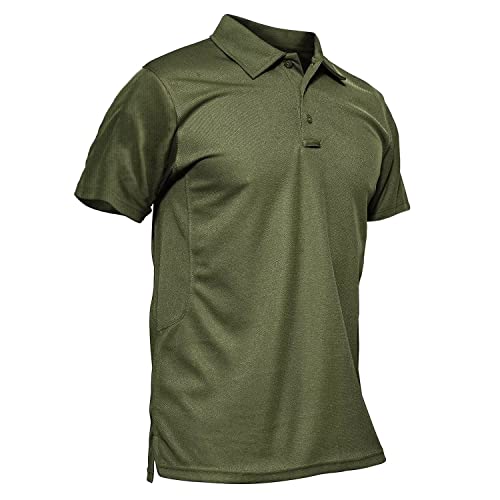
The checked MAGCOMSEN selection is #03 Army Green in X-Large, listed as 100% polyester with machine-wash care. It is an ordinary-size active or utility-style candidate, without a Big or Tall designation. Assess the exact pocket and loop details as part of the appearance, then compare the garment dimensions with the fit you want. These details do not establish a dedicated tall cut or a particular amount of room around the midsection.
Consider it when: you prefer its practical casual direction and will actually use the relevant features. Try the sleeve shape with ordinary arm movement and check how the body sits with the trousers you usually wear.
Limits: quick-dry wording is not a verified drying time or a guarantee of comfortable temperature regulation. Confirm the selected fabric and care instructions. Avoid buying several colors until the first suitable selection meets your width, length, and styling preferences within the seller’s fitting conditions.
View the selected item on Amazon
Use one good reference polo to read a chart
Choose a polo that works for the same role as the new purchase. Lay it flat without stretching it and record the body width, shoulder measurement where applicable, front length, back length if different, and sleeve opening. Note the measurement points so you can compare like with like.
Identify whether the seller’s chart gives body measurements or garment measurements. Your chest circumference is not a shirt’s flat chest width. Similarly, a chart that lists only an expected height range does not establish how the hem will sit on your particular torso. Ask for the missing relevant dimension instead of choosing from an unrelated chart.
Keep the measurement note concise. The goal is to identify which style gives the proportions you want, not to prescribe a universal amount of extra room. A larger size can widen the shoulder and lengthen the sleeve while leaving another area unsatisfactory. Evaluate how the whole cut distributes the space you need.
Check the front, side, and back before deciding
During an allowed fitting, wear the trousers and any base layer you plan to use. Stand normally with the polo arranged as you intend to wear it. Examine the front for pulling at the placket and the sides for a hem position you like. Then check the back rather than judging the shirt from a single mirror angle.
Sit in an ordinary chair and reach forward. Notice whether the hem rises more than you want, the placket gaps, or the arm opening interferes with movement. If the shirt is intended to be tucked, assess it that way too. You are identifying your own fit preferences, not proving a universal comfort claim.
If one part of the garment fits and another does not, compare a different cut or size category before assuming that the whole shirt should be larger. A broad chest with a shorter torso and a long torso with narrower shoulders can need different solutions even when both wear the same letter size in another brand.
Choose an untucked proportion deliberately
For an untucked outfit, compare the polo’s hem with the trouser waistband, pockets, and jacket you may wear over it. Decide whether you prefer an ordinary length or a deliberately longer outline. A taller garment can provide useful coverage, but extra length should be something you want rather than the accidental result of buying more width.
Look at side vents or unequal front and back hems if the style has them. They can change how the shirt looks over the trousers and how easily you arrange it. Evaluate the actual garment rather than assuming every polo has the same hem construction.
If you want to shorten a polo, ask about feasibility before purchasing it for alteration. Vents, a different front and back length, decorative details, or a specific hem shape can affect the work. Use a real quotation when deciding whether alteration makes sense; do not assume an inexpensive shirt can always become the perfect cut cheaply.
Make a tucked outfit work with the waistband
A tucked polo needs enough length for your preferred arrangement, but excess fabric can crowd the waistband. Try it with trousers that have the rise you normally wear. A low waistband and a higher waistband can change the way the same hem behaves, so assess the intended combination.
Check the appearance when seated and after ordinary movement. Decide how much fabric you want to leave above the waistband and whether that arrangement is comfortable. There is no guaranteed stay-tucked outcome based solely on a tall label, a larger size, or a stretch claim.
The belt should support the trouser fit rather than compensate for an unsuitable combination. If the shirt feels crowded beneath the waistband, assess its body volume and length alongside the trousers. Buying another identical oversized polo is unlikely to resolve a proportion problem you have not identified.
Keep collars and sleeve openings in the comparison
A polo’s collar and placket are visible even when much of the body sits beneath a jacket. Check whether you like the collar’s shape and how it sits when you open or close the usual number of buttons. Do not buy entirely from a chest measurement and then discover that the neckline is the part you dislike most.
Sleeve openings also affect the silhouette. Decide whether you prefer a closer edge or a roomier opening, then move normally during the fitting. Ribbing, pockets, and sleeve length can change the appearance even when two shirts have similar torso dimensions.
Assess the polo beneath the jacket or overshirt you actually own. A collar that works by itself may feel crowded under another collar, while a sleeve detail may add bulk beneath the outer layer. Try the combination before buying additional garments to accommodate it.
Build outfits around the shirt’s amount of detail
A plain polo can work as a quiet upper piece with jeans, chinos, or casual trousers that meet the occasion’s dress requirements. A utility-style polo may be easier to assess with simpler trousers because the shirt already contributes loops, pockets, or other visible details. These are combinations to try, not rules about which bodies are allowed to wear which styles.
Choose color by looking at your existing trousers and shoes together. A coordinated outfit can use similar shades, deliberate contrast, or a restrained neutral. Do not treat darker colors or vertical-looking details as guaranteed body-shaping effects. Pick an appearance you enjoy and can repeat without purchasing a new wardrobe.
For work, check the actual dress policy. A polo’s sales description cannot make it suitable for every office, event, or semi-formal invitation. For golf or another activity, assess the movement and applicable clothing rules separately from the everyday outfit. One shirt can serve several roles, but decide which compromises make sense for you.
Treat fabric and care as part of repeated use
Read the selected fiber composition rather than a general description of the brand. Different colors or styles in a family can use different blends. A cotton-rich polo and a synthetic active-style polo can both be candidates, but neither fiber name establishes your individual comfort or a tested drying time.
Follow the garment’s complete care instructions. Check washing, drying, ironing, and bleach directions before adding it to your routine. Do not use a stretch claim as permission for high heat or assume a performance finish keeps working indefinitely under any laundry method.
Consider how often you realistically wear and wash polos. If the style requires care you find inconvenient, a larger discount may not produce a better wardrobe purchase. Start with a manageable quantity, assess the fit within the seller’s return terms, and keep the exact style information if you later want to buy the same configuration.
Decide between width, length, and an ordinary-size alternative
The dedicated selections here answer different starting questions. The checked IZOD is Tall, making its length proportions relevant to compare. The checked Nautica is Big, making its width distribution relevant to compare. Neither label establishes the exact ease or length you personally need, but the distinction helps you begin with an appropriate chart rather than repeatedly buying a larger ordinary size.
The other three are conditional alternatives for readers whose confirmed dimensions fit their ordinary XXL or XL cuts. They are not recommendations for someone who specifically requires a Tall designation or dimensions beyond those selections. If you already know that an ordinary shirt is too short, prioritize the appropriate Tall option rather than assuming a regular-fit performance fabric will extend the hem. If the torso is too narrow, compare actual width rather than a utility detail or cooling slogan.
You can make that decision before checkout with a short note: the width I need, the length I need, and the category the selected shirt actually belongs to. If an alternative fails one of those essential requirements, remove it from your personal shortlist. You do not need to make a small or ordinary garment work merely because it is pictured alongside a dedicated big-and-tall design.
Keep a repeatable outfit rather than a pile of similar shirts
After finding a suitable fit, identify two outfits in which you expect to wear it. One might use casual trousers and an untucked hem; another might use a tucked arrangement with chinos and a jacket. Check the collar, sleeves, and waistband in both. A polo that works in two real outfits can be a more useful purchase than several discounted colors that require different trousers or extra alterations.
Record the selected category and dimensions with the style name if you plan to reorder. A brand may offer ordinary, Big, and Tall garments with similar names, so remembering only the color and a letter size can lead to a different configuration. Repeat the successful purchase with the actual order details, while checking that the current listing still identifies the same style.
Resolve these questions before filling the closet
Should a larger man always choose a tall polo? No. Use the actual length requirement. Tall sizing may solve a length problem while adding proportions you do not need. If width is the issue, compare the appropriate big or other suitable category and its garment dimensions.
Is a performance polo automatically better for everyday wear? Not from the name alone. Check the selected cut, appearance, and care routine. A feature matters when it addresses a need you actually have; unmeasured cooling or stretch claims should not replace the fit comparison.
Can a regular-fit polo still be suitable? It can be, when its confirmed dimensions meet your needs. Keep that conclusion specific to you. Do not describe regular fit as a dedicated big-and-tall design or promise that it accommodates every broad chest or fuller midsection.
How many should I buy first? Buy the quantity you can sensibly assess and use. Confirm color, size category, material, and the seller’s fitting terms before ordering several. A well-chosen polo earns repeat wear through proportions, usable styling, and manageable care, rather than through an oversized label alone.